Showing posts with label Dog. Show all posts

Thursday, November 3, 2016

HEALTH CHECK: DOGS WITH GAS


WHAT IS CAUSING MY DOG TO BE GASSY?


AIR


EXCESSIVE BREATHING


Most gas comes from swallowed air. Certain breeds, called brachycephalic, will also swallow a lot of air due to the position of their noses.

EATING QUICKLY OR TOO MUCH


Dogs who eat quickly and/or who prefer to swallow their kibble without chewing, and those who overeat will often swallow a lot of air while eating.

DIET


INGREDIENTS IN DIET


Not all dog food and treats are created equal and may contain ingredients that are not highly digestible for dogs. If your dog gets table scraps or gets into the trash this can also lead to gas.

CHANGE IN DIET


Anytime you feed your dog something new there is potential for gas until their body adjusts. Food sensitivity to certain ingredients can also be the culprit.  

DISEASE


While your dog could simply suffer from gas and an upset stomach, it could also be something more complicated. Possibilities can range from intestinal infections, inflammatory bowel disease (IBD), worms lodged in the intestines, lymphosarcoma in the gastrointestinal tract, polyps in the intestinal tract, gastric ulcers, parasites, and inflammation of the intestines caused by a virus or failure of the pancreas. A particular cause for concern could be if the fart is followed by diarrhea or vomiting

HOW CAN I TREAT MY GASSY DOG AND PREVENT IT IN THE FUTURE?


EXERCISE


The easiest way to treat gas is to head outside and exercise. The fresh air and movement will help your dog’s intestinal motility and release those gas pockets. Even a short walk after meal time can help.

DIET


INGREDIENTS


Read labels carefully and opt for a high quality dog food with protein as the first ingredient instead of less digestible cereals. Food, treats and table scraps that contain lactose, cauliflower, broccoli, peas, beans, cabbage and bread can easily cause gas. If gas is still an issue your dog may have a food sensitivity to one of the ingredients, such as corn or chicken, so try removing certain ingredients from their diet, allowing ample time to switch food properly over the course of a week and evaluation time.

EATING QUICKLY OR TOO MUCH


Another option is to try feeding meals more frequently; up to three or four smaller meals, while keeping it the same amount of food. This gives the food a chance to breakdown in your dog’s system after each meal.

There are also raised bowls, treat balls, puzzles, and slow feeders on the market to help dogs take their time during meal time. The key here is to break up the eating and make your dog change position, even if it is just their head. Treat balls and puzzles are also great ways to bond with your dog during training to use these products.

VET VISIT


A trip to the vet for a check-up could help rule out more serious concerns and an opportunity to discuss your dog’s diet and healthy weight for their age, breed, and activity level. There are also plenty of treatments and prevention your vet can help you identify and prescribe if needed.

Thursday, August 25, 2016

Event Recap: Doggies Who Brunch


Daisy-care.com was honored to be one of the sponsors of the second “Sparkle Posh Pup” brunch. This year it was held in the Montrose area in Houston and even caught the attention of a local news channel. It was a one-of-a-kind event with a menu for the dogs as well as humans. The event provided a great opportunity for all 32 attendees to meet other Houston dog-lovers, learn about new products in their swag bag, and an opportunity to learn about pet-friendly restaurants in and around Houston. Hop on over to Taylor’s blog for the full scoop and photos!


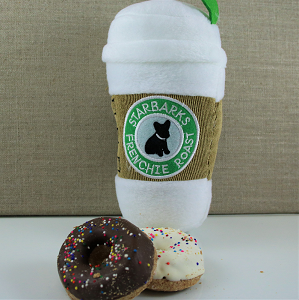
Even though the event is over you can recreate a brunch with your dog any day of the week with our Puppuccino Care Package. Our brunch package includes two sweet potato-flavored donuts dipped in yogurt and carob. As always here at Daisy-care.com, these treats are made with high-quality ingredients and are made in the USA.

Wednesday, July 27, 2016

Pizza Pawty Safety


Julie Bagley and April Malinowski

Pizza is an all-time favorite for humans and dogs alike. It’s hard to resist the temptation of giving your dog a slice after the delivery man comes to the door. However, not all pizza is made with safe ingredients for your dog. It is best to feed an alternative to make pizza night into an enjoyable experience for everyone. The treats in Daisy-Care’s Pizza Pawty Care Package include all the great pizza flavors but made for dogs so you know exactly what your dog is ingesting. You can even throw your dog their very own pizza party!
 

Daisy-Care Pizza Pawty Recipe for Success


·        Olive Oil: We left out the oil since large amounts of fatty human food can lead to pancreatitis.

·        Olives: We are an olive free zone due to high salt content and potential for digestive upset

·        Salami: Most meat toppings can contain spices that cause digestive upset. We included savory sticks for a meaty option.

·        Tomatoes: We left out whole tomatoes and those seeds that can cause digestive upset.

·        Cheese: Most dogs are lactose intolerant so we opted for cheese bites that are 99% lactose free.

·        Mushrooms: No mushrooms here, they can be toxic

·        Dough: Yeast can cause digestive upset so we chose a pizza biscuit treat for dogs.

·        Tomato Sauce: Tomato sauce can contain onions which dogs lack the enzymes to break down. We chose tomato herb fillet stix as a substitute.

Tuesday, July 12, 2016

Recharge Outdoors with Your Dog


Julie Bagley and April Malinowski

One great way to bond with your dog in the late summer months is snuggling in a tent on a camping trip. There is something about sharing the great outdoors with your dog for an extended refresher. If this is your dog’s first camping trip here are a few tips – or reminders if you and your dog are camping pros - for a successful trip.

Before you leave on your adventure

Let your best friend check out the gear. Like with anything else, dogs love to inspect new things and you’ll know ahead of time if there’s anything like might spook your dog. If you have time, set up the tent, make him comfortable inside with his favorite things and plenty of treats.

Pack the necessities. Food, water, leash, bowls, towels, poop bags, and a way to give water on the go. It is also a good idea to bring a shot record and vet information with you. Double check that your dog is up to date on heartworm medication and consider bringing pet safe insect repellent like the one in our OutdoorExplorer Care Package.

Plan ahead. Check the weather and think about the activities you have planned. If a quick dip in a lake is on the agenda you might want extra towels or waterless shampoo. If it is going to be hot then you may want to pack booties to protect their paws and it may not be wise to tackle a trail with very little shade for your dog. Or if it is going to be cold at night your dog may appreciate an extra blanket. Double check the pet policy of your destination (it may have changed since you were there last) and look up where the nearest emergency vet center is.

On your adventure

Keep a leash on things. Hiking up a ridge or going to the bathroom, it is better to keep your dog on a leash. It might seem counter-intuitive with the freedom of outdoors but it is the best way to stay safe and usually there is a leash law in-force. Remember, there are amazing smells everywhere!

Health checks. Don’t forget to check your dog for ticks, foxtails, burrs and thorns. Your dog is less likely to stick to the middle of the trail, therefore, has a better chance of being exposed so it is best to check them from head to tail and in-between their toes too. It is also a good idea to regularly check their pads for injury.

Follow the rules. Rules may vary from location to location but there are two golden rules I see everywhere. One - pick up after your dog and dispose of poop bags properly. Two – don’t let your dog bark excessively, especially at night. Places that have responsible pet owner guests are more likely to keep allowing pets.

Have FUN! Most importantly, have fun! Take pictures and videos of your dog having the time of their life. It will make for great memories that you shared.


Wednesday, April 20, 2016

To My Best Friend Colleen: I Will Miss You

 
April Malinowski

On Saturday, April 16, 2016 the Daisy-Care family lost a member. Colleen, who had been diagnosed with congestive heart failure a year prior, had a medical emergency that morning and could not be stabilized. So we had to make the decision to let her go so we could be with her and she would not have to struggle for breath any longer. Although we knew this time would come I was not ready. I am sure we are never really ready to say goodbye to our loved ones but I wrote this letter to her and I hope she knows how much she meant to me.


Dear Colleen, my sweetest best friend,

When you and your litter mates were old enough to be adopted I came to see, but you weren’t part of the group and I didn’t find a good match. I was told there was one more puppy, the pick of the litter, a little girl that the man’s wife wanted to keep but they couldn’t since they already had 3 dogs. He told me I could have her but I must agree to take her right then, sight unseen. That little puppy was you and taking a chance on you was one of the best decisions I have ever made.

We have been through a lot these last 15 years – seven address changes, three jobs, two degrees, a marriage and divorce – but you stuck by my side a loyal friend who never complained about all the change that went on as long as you were with me. I loved our hikes together and trips to the park. How when you were still tiny you would sleep on my chest after a good romp outside. You were so easy to train, so smart, you made me feel like the best dog trainer in the world!

I loved your little quirks. How you would sigh loudly, annoyed, if I made noise after bedtime. How you had a specific path to walk the yard you never deviated from. How you always barked an objection if it looked like I would leave you behind. How you would skip along the patio when I got home – even when you were in your senior years. How you actually smiled when someone would talk sweet to you and when I would kiss the top of your nose. How you frolicked in the water like a puppy at Pedernales Falls when you were 12 years old.

You lived a happy, full life with lots of adventures and great naps by my side. I love you dearly and I hope I was good at showing you that you meant the world to me.

Love,
April


Wednesday, February 3, 2016

16 Things You Should Do to Get Ready for Your New Doggy


April Malinowski
Expanding your home by four paws is an exciting time! Although some needs will vary based on the dog’s age and size here are the basics for preparing your home for arrival.

Tasks

·        Dog proof your yard:

o   Check the plants in your yard that your dog will have access to against the ASPCA list. If you have any the options are to block access, remove, or relocate the plant.

o   Check your fence line and close any holes in the fence, secure loose boards, and fill any ground holes near the fence that might encourage digging.

o   Check the locks on all your gates to make sure they close completely and tightly. If they flip up to open you might need to add a clip with larger dogs.

·        Dog proof your house:

o   Even if you already have a dog who knows not to take anything off the coffee table your new arrival will need time to learn the rules. So walk around and anything new dog height that needs to be protected should be moved higher…and don’t forget the shoes by the door!

o   Consider your lower cabinets. There are a lot of cleaning products and even cosmetics that can be harmful to pets. Although I have never had a dog that could open a cabinet I do have cats who are known for getting into cabinets and leaving the door open (rude, I know).

·        Make a veterinarian appointment: Even if your new arrival is all caught up on shots and you have flea and heartworm meds it is a good idea to make an office visit with the veterinarian. This way they can have all the pet’s information in the system, the vet can give a wellness check and a health baseline established.

·        Have a home/family meeting. Consistency is the foundation of successful dog training and everyone should be on the same page.

o   Training will vary based on the dog’s personality, motivation, and environment so you should not expect to have a set training program at this stage. However, you can discuss the commands you want your dog to learn and what word(s) you will use for the command. My biggest example is I teach the command “down” and expect Daisy to lay down, which she does, and the command “off” when she is to stop jumping up on someone or get off of what she is on. I find that my boyfriend and his daughter have a tendency to say “down” when they really mean “off” and praise her when she is on all fours and not laying down; Daisy is often confused by this.

o   Establish home boundaries: will the dog have free range of the house or only allowed in some rooms? Allowed on all furniture, or just some?

o   What will the sleeping arrangements be; at least to start? Dog bed, your bed, mat, crate, etc. the options are endless. Knowing ahead of time will help with training but you can always adjust later. For instance both of my dogs slept in crates while being potty trained but now Daisy prefers either her dog bed in the living room or in our bed, and Colleen prefers a towel or blanket in her crate by our bed.

·        Find out your dog’s current food

Supplies

·        Dog food. If you plan to change your dog’s current food then ask the previous owner, shelter, or breeder for a day or two worth of food to help the transition. Otherwise your new pup could have GI upset. Diarrhea can impact potty training.

·        Food dish

·        Water bowl.  I find it helpful to have more than one. I have one in the kitchen where they eat, I have one in the bedroom where they sleep and one outside. The one outside is so they do not want to come in only to drink and then want right back out.

·        Toys safe for your dog’s size. See Daisy’s toy sizing guide to help.

·        Grooming supplies. Brush, comb, shampoo, conditioner, towels, nail clippers, scissors, and wipes as necessary for your dog’s type of coat.

·        Properly fitted collar

·        Four to six foot long leash. For Daisy I have a 6 foot adjustable leash that adjusts like a dog collar that I shorten if we are going to be in a crowded area. I do not recommend retractable leashes, sometimes referred to as a training leash, these can be dangerous not only for dogs but humans too. For dogs an unexpected change in leash length or forgetting they are even on a leash can cause neck injury. For humans these types of leashes can tangle easily, get wrapped around body parts and cause rope burn. I have a scar on the back of my knees from another dog owner using this type of leash while I was at a public park and I did not even have a dog with me at the time!

·        Potty Supplies. Such as poop bags. If potty training carpet cleaner for accidents.

·        Crate. Your dog should be able to stand up and turn around easily without a lot of extra room if potty training. Once they are potty trained you can opt for a larger crate if desired. I use the crates with the divider to adjust for dog size and this was especially helpful as Daisy grew since it did not require additional purchases.

·        Dog bed and/or blanket.

·        Patience. Expect to need lots of patience with training, setting boundaries, and getting to know each other. Give your expanded pack the patience it needs to become a well-oiled machine.

Thursday, December 17, 2015

Model for a Day

Julie Bagley and April Malinowski

As Daisy is a rescue, giving other dogs the chance at a wonderful life at a forever home is very important to us. That’s why we teamed up with Jennifer’s Hot Dog Photography and the Fort Bend County Animal Shelter in Texas. Because of the sheer number of animals to care for, the shelter needs help with donations and finding homes. While Daisy would have loved posing for all of our product photographs on the website’ we felt if we could help reach potential adopters and highlight some special pups it would mean so much more. So we approached the Fort Bend County Animal Shelter and they were kind enough to let us use some of their adoptable dogs to model our products.

Recently we took a batch of goodies for a photoshoot and the dogs had a blast! They loved having a new room to investigate, people to pet them, toys to try and treats to eat. In fact the bulldog that modeled the “Etta Says Mega Crunchy Chews,” loved it so much that, in what seemed like one bite, gobbled it right up! You can feel energy leap off the page from the photographs of the baby dachshunds playing with the “Snowman Sock Monkey.” They ran in circles and tackled each other, maybe like some modeling reality shows you’ve watched? The most professional model-dogs of the bunch would have to be the yellow lab and cattle dog. They showed up and had their photo taken so calmly and sweetly.

Everyone at Daisy-care.com agrees adopted dogs make the best pets. We only wish they would all get adopted.

Our next photoshoot won’t be for several weeks so checkout these great pictures and the ones throughout our site. Thank you to the Fort Bend County Animal Shelter and Jennifer’s Hot Dog Photography for the wonderful new partnership and to the dogs who we hope will find forever homes soon.
 

We, with help from Jennifer's Hot Dogs Photography, use adoptable dogs from the Fort Bend Animal Shelter in our product...
Posted by Daisy-Care Inc on Thursday, December 17, 2015